Unleashing Visual Energy: The Power of 17 Gradient Backgrounds
In the world of visual design, we often spend hours debating the perfect logo, the ideal typeface, or the most compelling copy. But there is one element that serves as the silent stage for all these decisions: the background. A plain white or solid color background is safe, but it rarely stops a scrolling thumb. Enter 17 Gradient Backgrounds, a collection designed to inject depth, dimension, and emotion into your projects instantly. This isn't just a random collection of colors blending together; it is a curated set of high-fidelity design assets intended for serious creative work. With specifications of 3072 px by 3072 px and a crisp 300 ppi resolution, these are not just web-only textures; they are professional-grade resources built for high-end output.
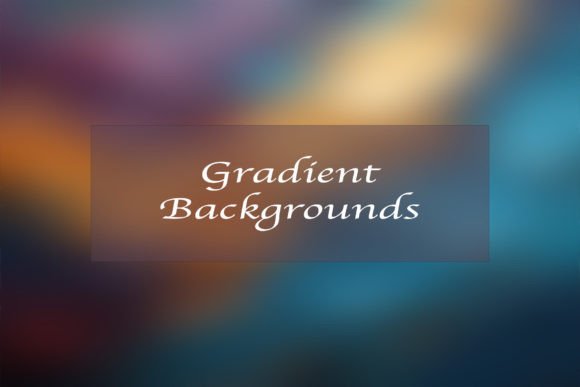
The visual personality of this collection is defined by its fluidity and modern aesthetic. Gradients have moved far beyond the jarring, neon transitions of the early 2000s. Today, modern typography and design trends favor subtle shifts, duotones, and mesh gradients that mimic natural light. The 17 Gradient Backgrounds collection taps into this by offering a variety of moods—perhaps warm, sunset-inspired blends for lifestyle brands, or cool, technical blues for fintech apps. The appeal lies in their versatility. Whether you are looking for a subtle wash of color for a minimalist landing page or a vibrant, energetic burst for a social media header, the variety within the 17 options ensures you aren't locked into a single aesthetic.
Strategic Applications for Designers and Creators
Understanding where to deploy these assets is key to maximizing their value. For web design, these high-resolution files are perfect for hero sections. A massive, full-width image immediately sets the tone, and a gradient background ensures that text overlaid on top remains legible, provided the contrast is managed correctly. Unlike complex photographs, which can make text disappear depending on the color values of the image, gradients offer a more controlled environment for typography. They allow a bold display font or a delicate serif font to stand out without fighting for attention with background noise.
Beyond the screen, the 300 ppi specification opens doors for print design. If you are working on packaging design, a gradient can transform a plain box into a premium unboxing experience. Imagine a beauty brand using a soft pink-to-lilac gradient on their secondary packaging; it immediately communicates elegance and care. Similarly, for editorial design, such as magazine covers or chapter openers, a gradient can serve as a sophisticated backdrop for headlines, creating a sense of flow that guides the reader's eye from the title to the body copy.
For entrepreneurs and small business owners, consistency is the holy grail of brand identity. By selecting one or two gradients from this set to use across your social media graphics, website banners, and email newsletters, you create a cohesive visual language. This recognition helps build trust. When a customer sees that specific shade of teal blending into navy, they should immediately think of your brand, even before they read the text.
Technical Excellence Meets Practical Utility
Let’s talk about the technical specs, because they matter more than you think. A resolution of 3072 px by 3072 px provides a massive canvas. In web design, this ensures that even on 4K monitors or when a user zooms in, the gradient remains smooth without pixelation or banding. Banding—that ugly, staircase effect seen in low-quality gradients—is the enemy of professionalism. High-resolution assets like these ensure a silky-smooth transition between colors.
Furthermore, the square aspect ratio makes these files incredibly flexible. They can be easily cropped to landscape for YouTube thumbnails, vertical for Instagram Stories, or kept square for profile avatars. This adaptability saves time, a crucial commodity for busy content creators and marketers. Instead of trying to stretch a narrow image to fit a wide banner, you start with a canvas that respects the composition from all angles.
Integrating with Typography and Hierarchy
One of the most common struggles in design is balancing a dynamic background with readable text. When using the 17 Gradient Backgrounds, you have a unique opportunity to play with visual hierarchy. If you are using a sans serif font for a clean, corporate look, a gradient with lower contrast (blending similar hues) works beautifully to add texture without disrupting the clean lines of the letterforms.
Conversely, if you are crafting a poster or a flyer using a script font or handwritten font, you might opt for a gradient with higher contrast, placing the text in the darker or lighter "quiet" zones of the image. This creates a natural focal point. The gradient doesn't just add color; it adds direction. It tells the viewer where to look first. This is vital for logo design mockups as well. Placing a logo on a gradient background is a standard practice for portfolio presentations because it tests the logo's versatility across different environments, ensuring it works on more than just a white sheet of paper.
Practical Guidance for Selection and Licensing
When incorporating these assets into your workflow, treat them as you would a premium font. Just as you wouldn't use a commercial font without checking its license, ensure you understand the usage rights of the graphics. For commercial projects—whether it's a client's website, a product for sale, or paid advertising—you need the peace of mind that comes with properly licensed design assets.
Choosing the right gradient requires testing. Don't just pick the one that looks prettiest in isolation. Place your actual content on top of it. Does the text strain the eyes? If so, try adding a semi-transparent overlay or a subtle drop shadow to lift the typography off the background. Consider the psychology of color. If you are a health and wellness brand, a chaotic, high-contrast red gradient might send the wrong message, whereas a soothing green transition reinforces your values.
Finally, consider font pairing. Gradients are often busy by nature, even if they are smooth. If your background is vibrant, your typography might need to be bolder and simpler to maintain readability. A heavy weight sans serif often pairs better with complex backgrounds than a thin, wispy serif. However, if the gradient is used merely as a small accent element, you have more freedom to use intricate display typefaces.
In summary, the 17 Gradient Backgrounds collection is more than just a set of pretty colors. It is a versatile toolkit for elevating brand identity, enhancing editorial design, and solving layout problems in digital and print