Serene Coastal Art: Pastel Watercolor Seagull Backgrounds
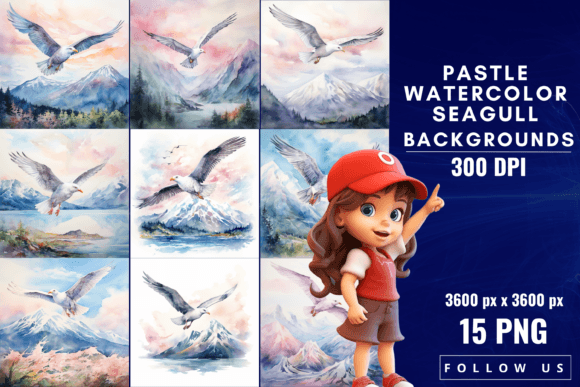
Capturing the fleeting beauty of a shoreline breeze in a digital file requires more than just a photograph; it requires artistic interpretation. The Pastel Watercolor Seagull Backgrounds offer exactly that—a fusion of delicate illustration and soft, atmospheric color. These are not just generic beach scenes; they are crafted design assets intended to bring a specific mood to your creative projects. The visual style relies on the unpredictable, soft bleeding of watercolor pigments, utilizing a palette of muted blues, gentle pinks, and sandy neutrals to evoke a sense of calm and nostalgia.
For graphic designers and brand strategists, the "personality" of a background is just as critical as the typography used in the foreground. These backgrounds possess a distinct modern typography adjacent aesthetic—clean yet organic. The seagulls themselves are rendered with loose, expressive brushstrokes rather than photorealistic detail, allowing them to function as artistic motifs rather than distracting focal points. This makes them an excellent choice for projects where the text needs to remain the hero, but the environment needs to feel immersive and high-end. Whether you are designing a logo design for a boutique coastal resort or creating packaging design for artisanal goods, the texture of these files adds a layer of tactile realism that flat digital colors often lack.
Strategic Applications for Creative Professionals
Understanding where to deploy these backgrounds is key to maximizing their impact. Because they are high-resolution, they serve as versatile premium font companions—meaning they hold up well in large-format printing as well as digital screens. For editorial design, imagine a magazine spread dedicated to travel or wellness; using a Pastel Watercolor Seagull Background behind pull quotes or headers can instantly transport the reader to the coast without overwhelming the article's layout.
In the realm of web design, these assets solve a common problem: the need for hero images that don't slow down load times or clash with UI elements. The soft pastel gradients provide excellent contrast zones for dark or light text, ensuring accessibility standards are met while maintaining aesthetic appeal. Consider using them for:
- Social Media Graphics: Creating a cohesive grid for Instagram or Pinterest where the background unifies disparate posts into a single narrative.
- Presentation Decks: Replacing stark white slides with textured watercolor scenes to keep an audience engaged during a pitch.
- Digital Invitations: Designing save-the-dates or event invites for weddings and showers that require a romantic, airy vibe.
Furthermore, small business owners can leverage these backgrounds to build a consistent brand identity. If your brand voice is gentle, natural, and approachable, integrating these watercolor elements into your invoices, thank-you cards, or website headers reinforces that message subconsciously every time a customer interacts with your brand.
Integrating Textures with Typography
The true power of a background lies in how well it supports your typography. When pairing fonts with Pastel Watercolor Seagull Backgrounds, contrast is your best friend. A bold sans serif font often works best here; the geometric precision of the letters creates a striking counterpoint to the organic, flowing nature of the watercolor. For example, a heavy, modern grotesque typeface in a deep navy or charcoal gray will pop beautifully against the soft pink and blue washes.
However, if your project leans towards elegance, a sophisticated serif font can also work, provided the background isn't too busy in the specific area where the text sits. You might also consider a clean script font for headlines to mimic the artistic flow of the seagulls, but be cautious with handwritten font styles, which can sometimes blend too seamlessly into the brush strokes, reducing readability.
Here are a few practical tips for execution:
- Check the "Quiet Zones": Before placing a headline, scan the background for areas with minimal brush detail. This natural negative space acts as a text box, ensuring your commercial font remains legible.
- Use Overlays: If the texture is too vibrant, apply a semi-transparent white or cream overlay to "knock back" the image, creating a frosted glass effect that makes any creative font stand out.
- Color Sampling: Don't guess your text color. Use the eyedropper tool to pick a darker shade of blue or gray directly from the shadows within the watercolor painting. This ensures the typography feels harmonious with the design assets.
Evaluating Fit and Licensing
Before finalizing your design, it is crucial to evaluate the specific "vibe" of the project. These backgrounds are ideal for branding that aims for tranquility, creativity, or a connection to nature. They might not be the right fit for high-energy corporate tech startups or aggressive sales flyers. The personality of the asset must match the personality of the message.
When testing these backgrounds, always view them at the actual size of the final output. A texture that looks like a subtle grain on a phone screen might look like large blotches on a printed banner. Ensure that the resolution supports your intended use case, whether it is digital screens or high-DPI print media.
Finally, always verify the licensing terms. If you are using these for client work, merchandise, or items for sale, ensure you have the appropriate commercial font and asset license. This protects you legally and ensures you can use these beautiful coastal elements across your entire brand identity