Transform Your Projects: 16 Abstract Oil Painting Backgrounds
In the world of digital design, finding that perfect backdrop can feel like searching for a needle in a haystack. You need something that speaks to emotion, adds depth, and doesn't distract from your core message. That is exactly where the 16 Abstract Oil Painting Backgrounds collection comes into play. This isn't just a random assortment of digital noise; it is a curated set of high-resolution textures designed to bring the warmth and complexity of traditional art into your modern workflow. Whether you are a seasoned graphic designer or a small business owner trying to elevate your Instagram feed, these backgrounds offer a sophisticated solution that bridges the gap between classic fine art and contemporary digital needs.
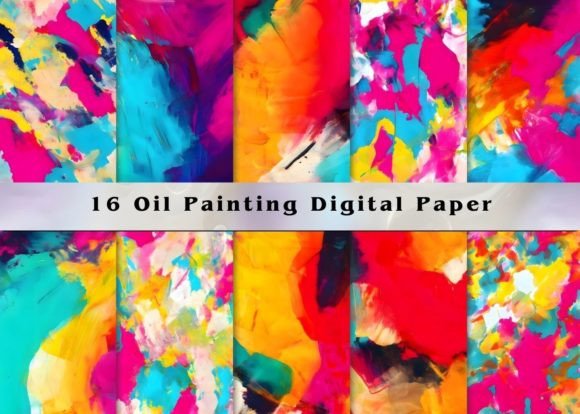
The collection features 16 distinct Abstract Mixed Colors Paint Backgrounds. When you look at them, you aren't just seeing pixels; you are seeing the simulation of thick impasto brushstrokes, vibrant color blending, and the organic flow of oil on canvas. Each file is a massive 4000x4000 pixels, which means you have plenty of room to crop, zoom, and manipulate without losing that crucial clarity. We are talking about JPG files that are ready to drop into your project immediately. There is a distinct personality to these assets—they are expressive, moody, and full of texture. They possess a raw energy that flat, solid colors simply cannot replicate. From swirling pastels to deep, dramatic earth tones, the palette variety ensures you can find a match for almost any brand identity or creative mood board you are working on.
Practical Applications for Modern Creatives
So, you have downloaded the files, but where do they actually fit? The utility of these Abstract Oil Painting Backgrounds extends far beyond just "making things look pretty." Let's break down how different professionals can leverage these design assets. If you are involved in web design, you know that hero images set the tone for the entire user experience. Using one of these textured backgrounds behind a bold display font or a clean sans serif font can create an immediate focal point. It adds a layer of professionalism and artistic flair that stock photos often fail to deliver. The texture provides enough contrast to make white or black text pop, solving common readability issues while maintaining a high-end aesthetic.
For those of you focused on social media graphics and marketing, consistency is key. These backgrounds act as a versatile canvas for your content calendar. Imagine using a soft, pastel brushstroke background for your "Motivation Monday" quotes and a darker, more intense texture for product announcements. Because the files are high-resolution, they work beautifully for printed materials as well. Think about packaging design for a boutique candle brand or a cosmetic line; the tactile look of oil paint translates surprisingly well to physical labels, suggesting a product that is handcrafted and luxurious. Even for editorial design, such as magazine covers or e-book layouts, these textures can replace solid color blocks to add visual interest and guide the reader's eye through the page hierarchy.
Integrating Texture into Your Brand Identity
Building a recognizable brand identity requires more than just a good logo. It requires a cohesive visual language that evokes specific feelings. The 16 Abstract Oil Painting Backgrounds are excellent tools for this. If your brand personality is creative, empathetic, or sophisticated, incorporating these painterly elements can reinforce those traits. For instance, a wellness coach might use the softer, blended backgrounds to evoke calm and healing, while a music producer might opt for the high-contrast, chaotic brushstrokes to convey energy and rhythm. The key is to treat these backgrounds as integral components of your design system rather than just decoration.
When it comes to logo design and font pairing, the texture of the background interacts with the typeface in interesting ways. If you are using a delicate script font or a handwritten font, a busy background might cause the legibility to suffer. In this case, you would want to use the backgrounds with a lower opacity or place a semi-transparent shape behind the text. Conversely, if you are using a heavy, bold serif font or a geometric modern typography style, the texture can peek through the letters, creating a cool mixed-media effect. It is all about balancing the visual weight of the brushstrokes with the weight of your typeface.
Technical Considerations and Workflow Tips
Before you dive in, there are a few practical considerations to keep in mind to get the most out of this bundle. First, remember that this is a digital item. You will not receive anything in the mail, so ensure your download folder is organized. Second, and perhaps most importantly, is the issue of color fidelity. The way colors may vary from monitor to monitor. The vibrant red you see on your calibrated desktop screen might look slightly different on your laptop or your client's mobile device. This is a standard limitation of digital design, not a flaw in the assets. It is always a good practice to test your designs on multiple screens if color accuracy is critical to your project.
From a technical standpoint, since these are JPG files at 4000x4000 pixels, they are premium font assets in terms of quality, but they are raster images, not vectors. This means you can scale them down without issue, but scaling them up significantly beyond their original size will result in pixelation. For most web and standard print applications, 4000px is more than sufficient. However, if you are designing for large-format printing, like a billboard, you may need to be creative with how you tile or crop the image.
When evaluating project fit, consider the "noise" level of the painting. Some abstract backgrounds are very busy with high-contrast colors, which can make reading long paragraphs of text difficult. These are best suited for headers, hero sections, or cards where text is minimal. Others in the collection might be more subtle, with gentle gradients and softer strokes, which are perfect for backgrounds that need to support longer content blocks. Always preview your layout with the background applied early in the design process to ensure the hierarchy of your content remains clear.
Maximizing Value for Entrepreneurs and Hobbyists
You don't have to be a full-time designer to make use of these assets. For entrepreneurs and hobbyists, these backgrounds offer a way to produce professional-looking content without hiring an expensive agency. If you are selling on Etsy or creating invitations for a milestone birthday, these textures add a level of "premium" that customers notice. They elevate a simple Canva design into something that looks custom-made. The versatility of abstract mixed colors means you can recolor your text and overlays to match the specific hues in the background, creating a harmonious color palette derived directly from the art itself.
Ultimately, the goal of using 16 Abstract Oil Painting Backgrounds is to solve creative problems. It is about finding a backdrop that doesn't fight with your content but supports it. It is about adding warmth to the cold digital world and giving your audience something beautiful to look at. By understanding the visual characteristics of these brushstrokes and applying them thoughtfully to your logo design, social media graphics, and web design projects, you can significantly improve your visual output. Just remember to mind your monitor calibration, test your font pairing choices, and let the texture do the heavy lifting for your aesthetic. This collection is a robust toolkit for anyone looking to inject a bit of artistic soul into their digital presence.